Boom Natives: Your Guide to Australian Native Plants and Gardening
Picture this: it’s a warm Saturday morning in late spring, and you’re standing in your backyard with a cuppa in hand. A grevillea is in full bloom by the fence, and it’s absolutely humming—not just with sound, but with life. Native bees are darting between the spidery red flowers, a honeyeater is having a noisy breakfast, and you haven’t touched the hose in weeks. That’s the magic of an Australian native garden, and it’s exactly why we started Boom Natives. We were tired of watching beautiful but thirsty exotic plants struggle through our hot, dry summers while our local wildlife had nowhere to go. So we built this blog to help gardeners like you ditch the water-hungry imports and discover just how resilient, gorgeous, and rewarding Australian native plants can be. Whether you’re working with a tiny courtyard in Melbourne, a coastal block in NSW, or a sprawling bushland garden in WA, there’s a native plant that will thrive where you are—and we’re here to help you find it.
Why Australian Native Plants Belong in Every Garden
If you’ve ever wondered why your neighbour’s exotic hedge keeps dying while the scraggly grevillea down the street shrugs off heatwaves like it’s nothing, you’re not alone. Australian native plants evolved over millions of years to cope with exactly the conditions we throw at them: poor soils, prolonged drought, intense sun, and unpredictable rainfall. That evolutionary head start means they don’t just survive in our gardens—they flourish, often with far less fuss than their imported cousins.
Take Grevillea ‘Robyn Gordon’, for example. This popular hybrid is known for its long flowering period and bird-attracting blooms, producing those iconic toothbrush-shaped flowers in rich reds and pinks almost year-round in the right spot. Or consider Banksia integrifolia, the coast banksia—a hardy drought-tolerant tree found along eastern Australian coastlines, with distinctive serrated leaves and chunky golden cones that feed everything from cockatoos to pygmy possums. Then there’s Anigozanthos, better known as kangaroo paw, with its fuzzy, velvety flowers that look like something from a Dr Seuss book and bring a burst of colour that’s unmistakably Western Australian.
Beyond their good looks, natives are ecological powerhouses. They’ve co-evolved with our local wildlife for millennia, which means they provide exactly the food, shelter, and nesting material that honeyeaters, native bees, butterflies, and even microbats need to survive. Plant a native garden and you’re not just decorating your yard—you’re building a habitat corridor, one backyard at a time. In a country where urban development keeps fragmenting natural ecosystems, that’s a genuinely meaningful contribution.
Water-wise gardening: drought-tolerant plants that thrive in Australian conditions
Water restrictions are a fact of life for most Australian gardeners, and climate change is only making things trickier. The good news? Natives are built for it. Once established—usually after their first full year in the ground—most Australian native plants need minimal supplementary watering, even through a scorching summer.
Some of our favourite drought-tolerant performers include:
- Westringia fruticosa (coastal rosemary): a tough, compact shrub with grey-green foliage and small white or lilac flowers that bees adore.
- Callistemon (bottlebrush): iconic red brushes that light up the garden and attract lorikeets by the dozen.
- Dianella (flax lily): strappy foliage with delicate blue flowers and edible purple berries, perfect for borders and mass planting.
- Banksia integrifolia: a coastal champion that handles wind, salt, and dry spells with equal ease.
- Grevillea ‘Robyn Gordon’: long-flowering, bird-magnet, and remarkably forgiving once settled.
The trick is to water deeply but infrequently while they establish, encouraging roots to grow down rather than spread out near the surface. After that, most natives will reward you by essentially looking after themselves.
Creating habitat: attracting birds, bees, and butterflies with native species
There’s nothing quite like sitting on the patio and watching a family of honeyeaters squabble over a grevillea, or spotting a blue-banded bee disappearing into a flowering correa. A native garden turns your backyard into a living, breathing wildlife documentary—and it happens faster than you’d think.
To maximise habitat value, aim for diversity. Different creatures need different things:
- Honeyeaters and lorikeets love nectar-rich flowers like grevilleas, banksias, and bottlebrushes.
- Native bees are drawn to small, open flowers such as those on westringia, melaleuca, and leptospermum.
- Butterflies need both nectar plants for adults and specific host plants for caterpillars—many native grasses and sedges do double duty here.
- Small birds appreciate dense, prickly shrubs like hakeas and acacias for nesting and protection from cats.
Layering your garden—tall trees, mid-storey shrubs, groundcovers, and grasses—creates a mini-ecosystem that supports far more life than a single layer ever could. It’s also more visually interesting, which is a happy bonus.
Low-maintenance beauty: why natives suit busy Australian lifestyles
Let’s be honest: most of us don’t have hours to spend deadheading roses and fussing over fertiliser schedules. Natives fit the way Australians actually live. They don’t need constant watering, they rarely require heavy pruning, and they’re generally resistant to the pests and diseases that plague exotic plants.
That said, “low-maintenance” doesn’t mean “no-maintenance.” A little attention in the first year pays dividends for decades. But once established, a well-designed native garden might only need a few hours of care per season—a light prune here, a top-up of mulch there, and you’re done. That leaves more time for the important things: enjoying your garden, spotting wildlife, and maybe brewing a cup of lemon myrtle tea from your own bush tucker patch.
Grevillea: The Star of the Australian Native Garden
If there’s one genus that defines the Australian native garden, it’s Grevillea. With over 350 species and countless cultivars, grevilleas offer an astonishing range of colours, forms, and sizes—from ground-hugging spreaders to towering trees. They’re the Swiss Army knife of native gardening, and once you’ve grown one, you’ll want ten more.
Some of the most popular cultivars include Grevillea ‘Superb’, a stunning hybrid with large orange-pink flowers and soft grey-green foliage; Grevillea rosmarinifolia, a dense, fine-leaved shrub with spider-like red flowers that’s brilliant for hedging; and Grevillea banksii, a Queensland and northern NSW native with creamy-white to red flower spikes that’s particularly attractive to birds. And of course, Grevillea ‘Robyn Gordon’ remains a firm favourite for its long flowering period and bird-attracting blooms, which can appear almost continuously in warm climates.
Our team has learned a few hard-won lessons about grevilleas over the years. They’re generally tough, but they have their quirks—especially when it comes to pruning and feeding. Get those right, and you’ll be rewarded with a plant that flowers generously for years.
Grevillea varieties for every climate: from tropical to temperate
One of the great things about grevilleas is that there’s a variety suited to almost every climate zone in Australia. The key is matching the plant to your local conditions rather than fighting nature.
- Tropical and subtropical: Grevillea banksii and Grevillea baileyana thrive in humid summers, though they appreciate good drainage.
- Temperate and cool: Grevillea rosmarinifolia and Grevillea victoriae handle frost and cold winters with ease.
- Arid and semi-arid: Grevillea robusta (silky oak) and many Western Australian species are incredibly drought-tolerant once established.
- Coastal: Grevillea ‘Coastal Gem’ and other low-growing forms cope beautifully with salt spray and wind.
- Small gardens and pots: Dwarf cultivars like Grevillea ‘Bronze Rambler’ and Grevillea ‘Poorinda Royal Mantle’ are perfect for groundcover or container growing.
Before buying, check your local nursery for advice on which grevilleas perform best in your area. What thrives in Cairns may sulk in Hobart, and vice versa.
How to prune and care for grevilleas without killing them
Here’s the thing about grevilleas: they’re not like roses. You can’t hack them back to old wood and expect them to bounce back. Most grevilleas don’t regenerate from bare, woody stems, so if you prune too hard, you may lose the plant entirely.
Our golden rules for grevillea care:
- Prune lightly and regularly. A gentle tip-prune after each flowering flush encourages bushier growth and more blooms.
- Never cut into old wood. Always leave some green foliage below your cut.
- Avoid phosphorus-heavy fertilisers. Many natives, including grevilleas, are sensitive to phosphorus. Use a native-specific fertiliser or skip feeding altogether if your soil is reasonable.
- Plant in well-drained soil. Grevilleas hate wet feet. If your soil is heavy clay, plant on a mound or in a raised bed.
- Mulch, but keep it away from the trunk. A layer of coarse mulch conserves moisture and suppresses weeds, but mounding it against the stem can cause rot.
Follow these basics and your grevilleas should reward you with years of spectacular flowering—and plenty of visits from the local birdlife.
Design ideas: using grevilleas as screens, groundcovers, and feature plants
Grevilleas are incredibly versatile in the landscape. Their diverse forms mean you can use them in almost any design role:
- Screens and hedges: Taller varieties like Grevillea rosmarinifolia or Grevillea ‘Moonlight’ make dense, flowering privacy screens that also feed wildlife.
- Groundcovers: Prostrate forms like Grevillea ‘Poorinda Royal Mantle’ spill beautifully over retaining walls or across embankments.
- Feature plants: A single striking specimen—perhaps Grevillea ‘Superb’ or a grafted standard—can become the focal point of a courtyard or front garden.
- Wildlife corridors: Mass-plant several varieties with overlapping flowering times to provide year-round nectar for birds and bees.
Mix grevilleas with contrasting textures—strappy dianellas, silver-leaved westringias, or architectural grass trees—for a garden that looks good even when the flowers pause.
Bush Tucker: Growing and Using Indigenous Edible Plants
Bush tucker is one of the most exciting frontiers in Australian gardening. These are plants that Indigenous Australians have harvested, prepared, and celebrated for tens of thousands of years—and they’re now finding their way into home gardens and high-end restaurants alike. Growing bush tucker at home connects you to Country in a deeply practical way, and the flavours are genuinely extraordinary.
Take lemon myrtle (Backhousia citriodora), a bush tucker plant with leaves high in citral, used in teas and cooking. Its intense citrus aroma is like lemon on steroids—a single leaf can flavour an entire pot of tea or a batch of shortbread. Then there’s finger lime (Citrus australasica), an Australian native citrus with caviar-like pulp used in gourmet dishes. Those little pearls of tangy juice burst in your mouth and have become a favourite garnish for oysters, desserts, and cocktails. And we can’t forget wattleseed (Acacia victoriae), with its roasted, nutty, coffee-like flavour that’s brilliant in damper, ice cream, and even espresso-style drinks.
Growing these plants at home is easier than many people think, provided you match them to the right climate and give them good drainage. They also bring cultural significance to your garden—a reminder that you’re tending a landscape with a history far older than any European garden tradition.
Top 10 bush tucker plants for Australian gardens
Ready to start your bush tucker patch? Here are ten of our favourites, chosen for flavour, ease of growing, and versatility:
- Lemon myrtle (Backhousia citriodora): citrus-scented leaves for teas, baking, and marinades.
- Finger lime (Citrus australasica): pearl-like pulp for garnishes and dressings.
- Wattleseed (Acacia victoriae): roasted seeds with a nutty, coffee-like flavour.
- Davidson plum (Davidsonia jerseyana): tart, deep-red fruit for jams and sauces.
- Muntries (Kunzea pomifera): small, apple-flavoured berries, great fresh or in desserts.
- Saltbush (Atriplex spp.): salty leaves for roasting or adding to stews.
- Quandong (Santalum acuminatum): peach-like fruit with a tangy kick.
- Riberry (Syzygium luehmannii): clove-spiced berries for jams and sauces.
- Bush tomato (Solanum centrale): dried fruits with a rich, caramelised flavour.
- Native mint (Mentha australis): a gentle, native alternative to common mint.
Start with two or three that suit your climate, and expand as you gain confidence. Many bush tucker plants also double as beautiful ornamentals, so they earn their place in the garden even before harvest.
From garden to plate: simple recipes and preparation tips
One of the joys of bush tucker is how easy it is to use. You don’t need fancy equipment or complex techniques—just fresh leaves, fruit, or seeds and a willingness to experiment.
- Lemon myrtle tea: Steep 3–4 fresh leaves in hot water for 3 minutes. Add honey if you like. The aroma alone is worth growing the plant.
- Finger lime dressing: Cut a finger lime in half, squeeze the pearls over a salad, and drizzle with olive oil and salt. Instant gourmet.
- Wattleseed damper: Add a tablespoon of ground roasted wattleseed to your favourite damper recipe for a nutty, earthy twist.
- Davidson plum jam: Simmer the fruit with sugar and a splash of lemon myrtle tea for a uniquely Australian preserve.
- Saltbush chips: Toss saltbush leaves in a little oil and bake until crisp for a salty, native snack.
As with any new ingredient, start small and taste as you go. Some bush tucker flavours are intense, and a little goes a long way.
Respecting Indigenous knowledge: ethical sourcing and cultural appreciation
Bush tucker isn’t just a food trend—it’s living cultural heritage. These plants have been cultivated, harvested, and understood by Aboriginal and Torres Strait Islander peoples for tens of thousands of years, and that knowledge deserves genuine respect.
Here’s how we approach it at Boom Natives:
- Buy from Indigenous-owned businesses where possible, and support growers who work in partnership with Traditional Owners.
- Learn the stories behind the plants you grow—their names in local languages, their traditional uses, and the Country they come from.
- Avoid wild-harvesting from public land or sensitive areas without permission.
- Acknowledge Country in your gardening practice, and recognise that you’re tending plants with deep cultural significance.
- Give back by supporting Indigenous land care and community garden initiatives.
Growing bush tucker is a privilege, not just a hobby. Done thoughtfully, it can be a small act of reconciliation and a way to deepen your connection to this ancient continent.
Designing a Drought-Tolerant Native Garden That Thrives
A well-designed native garden isn’t just a collection of tough plants—it’s a thoughtful composition that works with your climate, soil, and lifestyle. The good news is that drought-tolerant design and beautiful design are not mutually exclusive. In fact, some of the most stunning gardens we’ve seen are almost entirely reliant on rainfall once established.
Think about the classic Australian garden styles: bushland gardens that echo the surrounding landscape with layered eucalypts, acacias, and grasses; coastal gardens that embrace salt-tolerant species like Banksia integrifolia and westringia; and contemporary native gardens that use sculptural plants like grass trees and kangaroo paws as living art. Each style has its own logic, but they all share the same principles: right plant, right place, and smart water use.
Planning your native garden: soil, sunlight, and climate zones
Before you buy a single plant, spend some time understanding your site. This is the single most important step in creating a garden that thrives rather than merely survives.
- Soil: Most natives prefer well-drained soil, even if it’s poor. If you have heavy clay, consider raising beds, adding gypsum, or choosing plants that tolerate heavier soils.
- Sunlight: Observe how sun moves across your garden. Many natives love full sun, but some—like lemon myrtle—appreciate afternoon shade in hot climates.
- Climate zone: Know your local frost dates, rainfall patterns, and summer extremes. A plant that thrives in Perth may struggle in Tasmania.
- Microclimates: Notice sheltered spots, shady corners, and areas that stay wet. These can support plants that wouldn’t survive elsewhere in your garden.
Once you understand your site, choosing plants becomes much easier—and far more successful.
Planting combinations: colour, texture, and year-round interest
The secret to a great native garden is layering. Combine plants with different heights, textures, and flowering times so there’s always something happening.
- Colour: Pair red grevilleas with yellow kangaroo paws and purple native violets for a vibrant palette.
- Texture: Contrast soft grasses with spiky dianellas, or fine-leaved westringias with broad-leaved banksias.
- Year-round interest: Choose plants with staggered flowering seasons—winter-flowering correas, spring grevilleas, summer bottlebrushes, and autumn wattles.
- Structure: Use architectural plants like grass trees or tall banksias as focal points, then fill around them with softer shrubs and groundcovers.
Don’t be afraid to mix natives with a few well-chosen exotics if they share similar water needs—just keep the balance in favour of Australian species.
Watering and mulching: smart strategies for drought-tolerant plants
Even drought-tolerant plants need water while they establish. The first summer is critical—get them through it, and you’ll likely never need to water them again.
- Water deeply and infrequently. This encourages deep root growth and makes plants more resilient.
- Water in the early morning or evening to reduce evaporation.
- Mulch generously with coarse bark or leaf litter, keeping it clear of plant stems.
- Consider drip irrigation for new plantings—it delivers water directly to the roots with minimal waste.
- Group plants by water needs so you’re not overwatering the tough ones to keep the thirstier ones alive.
After the first year or two, most native gardens can be weaned off supplementary watering entirely, apart from the occasional deep soak during extreme heat.
Our Team’s Favourite Native Gardening Tips and Resources
We’ve learned a lot over the years—some of it from books, some from trial and error, and a great deal from the generous native gardening community across Australia. Here are some of our team’s favourite resources and recommendations for anyone wanting to go deeper.
Best native plant nurseries across Australia
Nothing beats visiting a specialist native nursery. The staff know their plants, the stock is suited to local conditions, and you’ll discover species you never knew existed.
- Kuranga Native Nursery in Mount Evelyn, Victoria, specialises in Australian native plants and is a must-visit for anyone in the region. Their range is extraordinary, and the advice is second to none.
- Indigigrow in NSW is another standout, focusing on bush tucker and Indigenous plants with a strong emphasis on cultural connection.
- Zanthorrea Nursery in Western Australia is a treasure trove of WA natives, many of which are hard to find elsewhere.
- Plants of Tasmania in Hobart offers an excellent selection of cool-climate natives.
- Australian Native Plants Nursery in Victoria is another great option for mail-order plants if you can’t visit in person.
If you can’t get to a specialist nursery, many now offer online ordering and delivery, so you can access their stock from anywhere in the country.
Books, apps, and courses we recommend
For those who like to learn between nursery visits, here are some resources our team keeps coming back to:
- Books: The Australian Native Garden by Angus Stewart and AB Bishop is a fantastic overview. Bush Tucker by Jennifer Isaacs is essential for anyone interested in Indigenous edible plants.
- Apps: Plant identification apps like PlantNet and iNaturalist are great for figuring out what’s growing in your area. The Australian Native Plants Society also has excellent online resources.
- Courses: Many TAFEs and community colleges offer native gardening short courses. The Australian Native Plants Society runs regular talks and field trips.
- Online communities: Forums and Facebook groups dedicated to Australian native gardening are full of generous, knowledgeable people.
We also recommend joining your local branch of the Australian Native Plants Society (ANPS)—it’s a wonderful way to meet like-minded gardeners and learn from people who’ve been growing natives for decades.
Seasonal gardening calendar for Australian native plants
Native gardening follows a different rhythm to traditional exotic gardening, and understanding the seasons helps you work with your plants rather than against them.
- Spring: Prime planting time in most regions. Feed lightly with native fertiliser, mulch, and watch for the first big flowering flush.
- Summer: Focus on watering new plantings deeply and infrequently. Avoid heavy pruning during heatwaves. Enjoy the birdlife.
- Autumn: Ideal for planting in warmer regions. Light pruning after summer flowering encourages bushier growth.
- Winter: Many natives flower in winter—correas, hakeas, and some grevilleas. This is a good time for structural pruning in frost-free areas.
Adjust these guidelines to your local climate—tropical gardeners will plant at the start of the wet season, while cool-climate gardeners may wait until the worst of the frost has passed.
Wherever you are in your native gardening journey, remember that every plant you add is a small act of connection—to the land, to wildlife, and to the generations of people who have tended these plants before us. We’d love for you to explore our blog for more hands-on advice, seasonal tips, and plant profiles. Whether you’re planting your first grevillea or designing a full bush tucker garden, we’re here to help you grow something truly Australian.
FAQ
What are the best Australian native plants for a beginner gardener?
If you’re just starting out, we recommend grevilleas (especially Grevillea ‘Robyn Gordon’), westringia, dianella, and callistemon. These are tough, adaptable, and forgiving of the mistakes beginners inevitably make. They also flower generously and attract wildlife, so you’ll see results quickly.
How often should I water my native garden?
While plants are establishing (roughly the first 12 months), water deeply once or twice a week in dry weather. After that, most established natives need little to no supplementary watering, except during extreme heat. Deep, infrequent watering encourages strong root systems.
Can I grow bush tucker plants in a small backyard or pot?
Absolutely. Lemon myrtle, native mint, and saltbush all grow well in pots, and dwarf finger lime varieties are perfect for courtyards. Just use a quality native potting mix and ensure good drainage. Many bush tucker plants are also attractive ornamentals, so they earn their space twice over.
Why is my grevillea not flowering?
The most common culprits are too much shade, poor drainage, or excessive phosphorus in the soil. Grevilleas need full sun and well-drained soil to flower well. Avoid standard fertilisers—use a native-specific blend or none at all. A light tip-prune after flowering can also encourage more blooms.
Are Australian native plants really low maintenance?
Yes, once established. The first year requires some care—regular watering, mulching, and protection from extreme weather—but after that, most natives need only occasional pruning and minimal watering. Compared to traditional exotic gardens, they’re significantly less demanding of time, water, and chemicals.
Latest articles
- Starting a Native Garden from Scratch
 Starting a Native Garden from Scratch: A Practical Guide for Australian Gardeners That bare patch of earth out the back can feel… Read more: Starting a Native Garden from Scratch
- Pruning Natives Without Killing Them
 Pruning Natives Without Killing Them: A Guide for Australian Gardeners We still remember the day our neighbour took a chainsaw to a… Read more: Pruning Natives Without Killing Them
- Propagating Natives from Cuttings
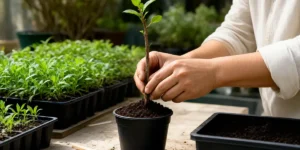 Propagating Natives from Cuttings: A Hands-On Guide for Australian Gardeners The first time we tried taking cuttings from a grevillea, it was… Read more: Propagating Natives from Cuttings
- Natives That Attract Birds and Bees
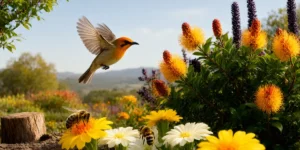 Natives That Attract Birds and Bees: Our Picks for a Living Garden Stand quietly in a garden planted with grevilleas and westringias… Read more: Natives That Attract Birds and Bees
- Native Groundcovers to Replace Lawn
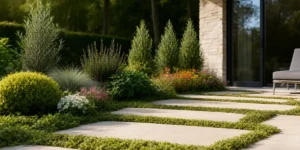 Native Groundcovers to Replace Lawn: A Low-Maintenance Australian Garden Solution We know the routine all too well. Every weekend, out comes the… Read more: Native Groundcovers to Replace Lawn
- Low-Phosphorus Fertiliser Explained
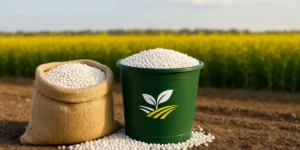 Low-Phosphorus Fertiliser Explained: Why Your Native Garden Needs It A few summers back, a mate of ours proudly showed off the grevillea… Read more: Low-Phosphorus Fertiliser Explained