
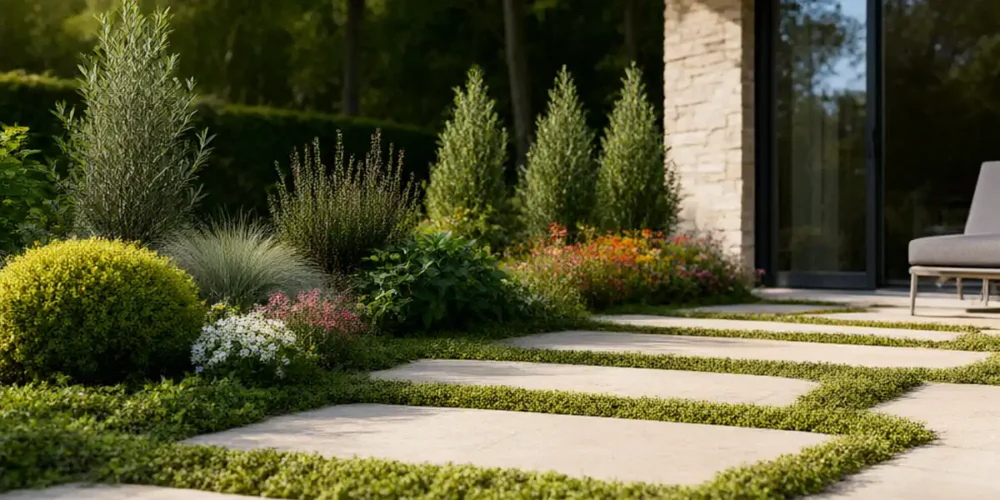
Native Groundcovers to Replace Lawn: A Low-Maintenance Australian Garden Solution
We know the routine all too well. Every weekend, out comes the mower, the edger, and the hose, and there goes another few hours of your life plus a chunk of your water bill. Traditional lawns like buffalo and couch can drink up to 50% of household water in some areas, and they still brown off the moment a heatwave hits. So we want to walk you through a smarter alternative: replacing that thirsty turf with Australian native plants that hug the ground, smother weeds, feed native bees, and ask for almost nothing in return.
Why Replace Your Lawn with Native Groundcovers?
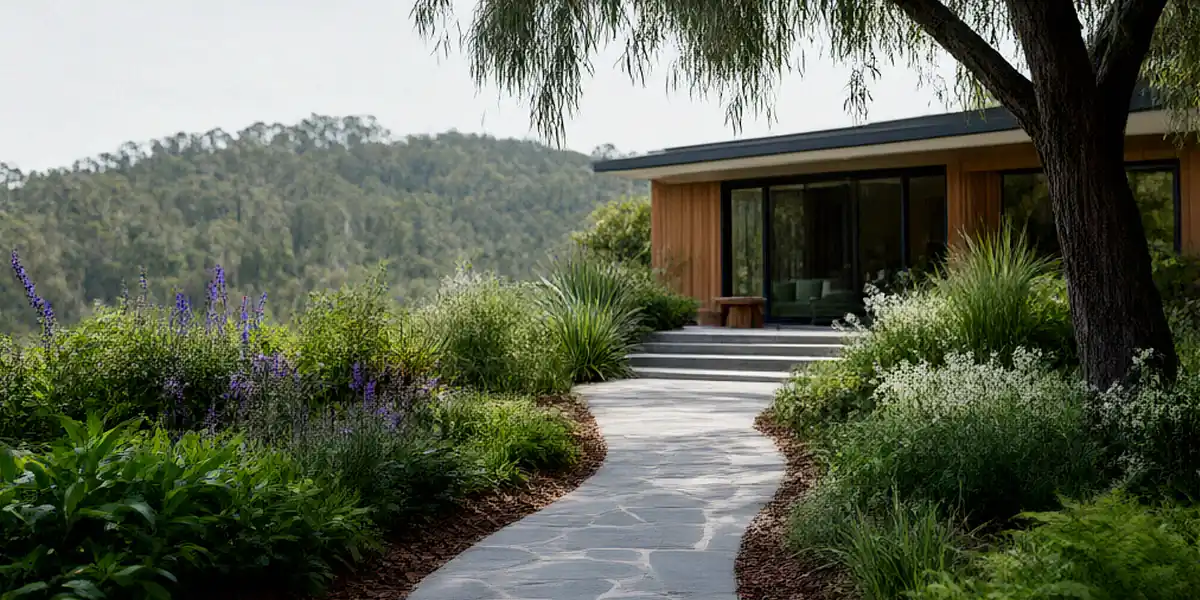
Swapping lawn for native groundcovers isn’t just an aesthetic choice — it’s a practical one that pays off in water savings, time, and biodiversity. Native species evolved here over millions of years, so they handle our soils, our droughts, and our downpours far better than imported turf grasses. Once established, most need no mowing at all, and many will survive on rainfall alone in temperate and coastal areas.
There’s also the habitat factor. A monoculture lawn is essentially a green desert for wildlife. A diverse carpet of grevilleas, myoporum, and violets, on the other hand, offers nectar, pollen, shelter, and nesting material. We’ve seen gardens in suburban Melbourne and Brisbane transform into pollinator hubs within a single season after removing lawn.
Water-wise gardening in a changing climate
With longer droughts and hotter summers becoming the norm across much of Australia, water-wise gardening has moved from niche to necessity. Many councils now offer rebates for removing lawn, and water authorities in states like Victoria and South Australia actively encourage drought-tolerant plantings. Native groundcovers like Grevillea ‘Bronze Rambler’ and Carpobrotus rossii can thrive on a fraction of the water a traditional lawn demands.
Creating habitat for native bees and butterflies
Native bees such as the blue-banded bee and the teddy bear bee rely on local flora for food. Groundcovers that flower prolifically — think Myoporum parvifolium with its tiny white star flowers or Viola hederacea with its purple blooms — provide a steady nectar supply close to the ground, where small pollinators feel safe. Butterflies also use dense groundcovers as shelter during pupation.
Top Native Groundcovers for Australian Gardens
We’ve trialled dozens of species over the years, and these five consistently outperform the rest in Aussie gardens. Each brings something different — from the toughness of a spreading grevillea to the softness of kidney weed underfoot.
Grevillea ‘Bronze Rambler’: The tough, spreading grevillea
Grevillea ‘Bronze Rambler’ is a drought-tolerant groundcover that spreads up to 3 metres, forming a dense mat of bronze-tinged foliage topped with striking red toothbrush flowers. It loves full sun, tolerates poor soils, and once established it barely needs watering. Perfect for embankments, wide beds, or anywhere you’d otherwise be fighting a losing battle with turf.
Myoporum parvifolium: Fast-growing and fire-retardant
Myoporum parvifolium is fire-retardant and fast-growing, ideal for erosion control on slopes and verges. It roots as it spreads, forming a thick carpet that suppresses weeds naturally. In summer it covers itself in small white or pink flowers. We often recommend it for fire-prone areas because of its low flammability and high moisture content.
Dichondra repens: The soft, shade-loving option
Dichondra repens (Kidney Weed) thrives in shade and is often used as a lawn substitute in courtyards and under trees where turf refuses to grow. Its small, round leaves create a soft, walkable surface, and it handles light foot traffic surprisingly well. It does prefer some moisture, so keep it out of the hottest, driest spots.
Viola hederacea: A delicate native violet for moist spots
Viola hederacea, or Native Violet, is a charming little groundcover with purple-and-white flowers that appear almost year-round in mild climates. It loves moist, shaded corners — think beside a downpipe, under a fern, or along a shaded path. It spreads by runners and can be divided easily to fill new areas.
Carpobrotus rossii: The coastal pigface for harsh sites
Carpobrotus rossii (Pigface) is native to southern Australia and tolerates coastal conditions, including salt spray and sandy soils. Its fleshy succulent leaves and bright pink-purple flowers make it a standout on dunes, rockeries, and exposed front yards. It’s also edible — the fruit is sometimes called “karkalla” and has a salty-sweet flavour.
How to Choose the Right Groundcover for Your Climate
Australia spans everything from tropical rainforest to desert, so there’s no single “best” groundcover. We always ask three questions: How much rain do you get? What’s your soil like? And how cold or salty is your site? Local native nurseries such as Indigigrow in New South Wales or Kuranga Native Nursery in Victoria can point you toward species that occur naturally in your region — always a safe bet.
For arid and semi-arid regions
In inland areas, focus on succulents and silver-foliage species. Carpobrotus rossii, Myoporum parvifolium, and various Eremophila groundcovers handle extreme heat and low rainfall. Plant in autumn, mulch heavily, and water deeply but infrequently to encourage deep roots.
For temperate and cool-climate areas
In Melbourne, Adelaide, Hobart, and cool tableland regions, Dichondra repens, Viola hederacea, and Grevillea ‘Bronze Rambler’ all perform beautifully. Frost is rarely an issue for these species, though young plants benefit from protection in their first winter.
For subtropical and coastal gardens
In Sydney, Brisbane, and coastal Queensland, humidity and salt are the main challenges. Carpobrotus rossii, Myoporum parvifolium, and Grevillea ‘Bronze Rambler’ all cope well. Avoid species that resent humidity, and ensure good drainage to prevent root rot during wet summers.
Planting and Establishing Your Native Groundcover Lawn
Getting the establishment phase right is the difference between a thriving carpet and a patchy disappointment. Here’s how we approach it.
Site preparation and soil improvement
Start by removing existing lawn and weeds thoroughly — roots and all. Most Australian natives prefer well-drained soil, so if you’re on heavy clay, break it up with gypsum and coarse sand. Avoid rich compost or manure; natives generally dislike high nutrient levels.
Spacing and planting density
Spacing depends on species and how fast you want coverage. As a rough guide:
- Grevillea ‘Bronze Rambler’: 1.5–2 metres apart
- Myoporum parvifolium: 1–1.5 metres apart
- Dichondra repens: 30–50 cm apart for quick fill
- Viola hederacea: 30 cm apart
- Carpobrotus rossii: 1 metre apart
Tubestock from suppliers like Plantnet or Australian Native Plants Nursery is ideal — smaller plants establish faster than advanced stock.
Watering and mulching for the first year
Water deeply twice a week for the first month, then taper to weekly, then to fortnightly. By the end of the first summer, most species should be self-sufficient. Mulch with a coarse native-friendly mulch like bark chips or gravel, keeping it away from stems to prevent collar rot.
Maintenance and Long-Term Care
Once established, native groundcovers need very little from you. That’s the whole point. But a few small habits will keep them looking their best for years.
Pruning and rejuvenation
Light tip-pruning after flowering keeps plants dense and prevents them from going woody. Some species like Myoporum can be mowed once a year to rejuvenate — set the mower high and go over it in early spring. Grevilleas respond well to a gentle haircut after their main flush.
Pest and disease resistance
Native groundcovers are generally pest-resistant when grown in the right spot. The main risks are root rot in poorly drained soils and scale on stressed plants. Good drainage and appropriate sun exposure prevent most problems.
Feeding and fertilising the native way
Use only native-specific fertilisers low in phosphorus. Regular garden fertilisers can kill grevilleas and other Proteaceae family plants. In most cases, a light application in spring is all you need — or nothing at all if your soil is reasonable.
Bush Tucker and Edible Native Groundcovers
One of the most exciting things about native groundcovers is that some are delicious. Incorporating bush tucker into your garden turns a low-maintenance space into a productive one.
Warrigal greens: A spinach substitute
Warrigal greens (Tetragonia tetragonioides) are a popular bush tucker leafy green, widely used in restaurants and home kitchens. They spread readily, tolerate sun or part shade, and can be harvested continuously. Blanch briefly before eating to reduce oxalates.
Native mint and other culinary herbs
Native mint (Mentha australis) is a low-growing herb with a refreshing, slightly peppery flavour — perfect for teas, salads, and lamb dishes. It prefers moist, shaded spots and spreads gently without becoming invasive. Other edible options include the fruit of Carpobrotus rossii and the leaves of various native violets.
FAQ
Can native groundcovers really replace a full lawn?
Yes, in most situations. Species like Dichondra repens and Myoporum parvifolium create dense, walkable surfaces that handle light foot traffic. For heavy-use areas, you may want to combine them with a small paved path or stepping stones.
How long does it take for native groundcovers to establish?
Most species knit together within 6 to 12 months if planted at the right density and watered through their first summer. Fast growers like Myoporum can cover a bed in a single season.
Do native groundcovers need mowing?
Rarely. Some species like Myoporum benefit from an annual high-set mow to rejuvenate, but most never need cutting. That’s one of the biggest time savings compared with traditional turf.
Will native groundcovers survive drought?
Once established, yes. Grevillea ‘Bronze Rambler’ and Carpobrotus rossii in particular are extremely drought-tolerant. During extended heatwaves, a deep watering every few weeks will keep them looking fresh.
Where can I buy native groundcover tubestock?
Specialist nurseries like Kuranga Native Nursery, Indigigrow, Plantnet, and Australian Native Plants Nursery all stock reliable tubestock. We recommend buying locally where possible, as plants grown in your region’s climate establish faster.
Replacing lawn with native groundcovers is one of the most rewarding changes we’ve seen Australian gardeners make. You save water, cut your mowing time to almost nothing, and create a living carpet that feeds native bees, butterflies, and — if you plant Warrigal greens or native mint — your kitchen too. Start with one bed, see how it goes, and we think you’ll never look back at that thirsty buffalo lawn the same way again.