
Bush Tucker Plants for Backyards: A Guide to Growing Native Edibles
We still remember the first time we plucked a sun-warmed muntrie straight from a coastal heathland near Portland, Victoria. The fruit popped with a spicy, apple-like sweetness that no supermarket berry could match. That single mouthful sparked an obsession that now fills our own backyard with muntries, finger limes, saltbush and wattleseed. If you’ve ever wanted to grow bush tucker at home, this guide walks you through the best species, how to design a native garden around them, and how to harvest and cook with your own produce.
Why Grow Bush Tucker in Your Backyard?
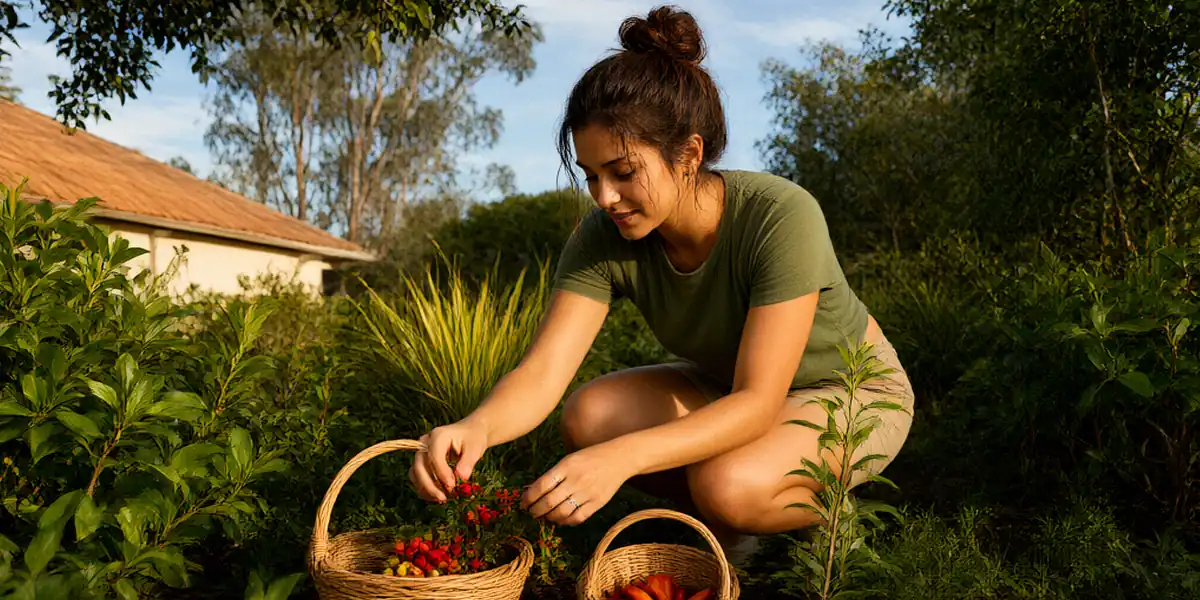
Growing bush tucker is more than a gardening project. It’s a way to feed your family from plants that have thrived on this continent for tens of thousands of years, while supporting the insects, birds and pollinators that depend on them. Best of all, most of these species are drought-tolerant and built for Australian conditions.
Cultural Respect and Connection to Country
Many of the plants we grow — wattleseed, muntries, quandong, saltbush — have been foods, medicines and tools for Aboriginal and Torres Strait Islander peoples for millennia. When we plant them, we’re tending a living link to Country. We encourage every grower to learn which plants are significant to the Traditional Owners of their region, to source seed ethically, and to support Indigenous-owned nurseries and bush food businesses wherever possible.
Low-Water, High-Reward Gardening
Unlike thirsty European vegetables, bush tucker plants evolved through droughts, poor soils and blazing summers. Once established, most need little more than occasional deep watering. In return you get free food, habitat for native bees and butterflies, and a garden that looks like it belongs here.
Top Bush Tucker Plants for Australian Gardens
These six species are among the easiest for home gardeners to grow, and each one earns its place with flavour as well as looks.
Muntries: The Sweet Apple Berry
Muntries (Kunzea pomifera) are native to southern Australia and taste like a spicy apple with a hint of juniper. The prostrate shrubs hug the ground, making them ideal for rockeries, embankments and large pots. Give them full sun and sandy, well-drained soil, and they’ll reward you with masses of small green-red berries in late summer. They’re frost-tolerant and handle coastal winds without complaint.
Quandong: The Wild Peach of the Outback
Quandong (Santalum acuminatum) is a hemiparasitic plant that needs a host plant to thrive — plant it near acacias, saltbush or native grasses and it will tap into their roots for nutrients. The bright red fruit has a tart, peach-and-rhubarb flavour that shines in jams, pies and sauces. It’s slow-growing, so patience is part of the deal, but a mature tree in a sunny, well-drained spot is a genuine backyard treasure.
Finger Lime: Citrus Caviar
Finger limes (Citrus australasica) are known as ‘citrus caviar’ because their juice vesicles burst on the tongue like tiny pearls. They’re native to the rainforests of Queensland and New South Wales, so they appreciate some protection from frost and a spot with morning sun and afternoon shade. The trees are small, thorny and perfect for pots. Colours range from green to pink to deep red, and each one tastes like lime with its own twist.
Wattleseed: Roasted and Ground
Wattleseed from Acacia species has been used by Indigenous Australians for thousands of years as a staple food. The seeds of species like Acacia victoriae and Acacia aneura have a roasted, coffee-and-hazelnut flavour. Grow them as fast, hardy small trees in full sun. Harvest the pods when dry, then roast and grind the seed for baking, ice cream or a caffeine-free coffee-style drink.
Saltbush: The Salty Green
Saltbush (Atriplex spp.) is a drought-tolerant perennial that can be used fresh or dried as a salty seasoning. The leaves taste like a gentle, herbaceous salt and are brilliant in tempura, scones or scattered over roast lamb. It thrives in poor, alkaline soils and full sun, and doubles as a tough windbreak and habitat plant.
Native Mint: A Refreshing Twist
Native mint (Mentha australis) grows along creek lines across eastern Australia and delivers a clean, minty hit with a eucalyptus edge. It prefers moisture and part shade, so plant it near a downpipe or in a damp corner. Use the leaves in teas, salads and cold drinks — a little goes a long way.
How to Design a Bush Tucker Garden
Good design makes the difference between a collection of pots and a productive, beautiful native garden.
Sun, Soil, and Spacing
Most bush tucker plants thrive in full sun and well-drained soil. Before planting, improve heavy clay with gypsum and compost, and mound the bed so water never pools around roots. If your site stays wet through winter, use raised beds — they’re the simplest fix for poor drainage. Space plants according to their mature width rather than their nursery-pot size; muntries can spread over a metre, while quandongs need several metres of clearance.
Companion Planting with Native Grasses
Native grasses like kangaroo grass, tussock grass and wallaby grass make excellent companions. They shelter young seedlings, suppress weeds, attract pollinators, and — crucially — can serve as host plants for hemiparasites like quandong. A layered planting of grasses, mid-storey shrubs like saltbush and muntries, and a canopy of wattles mimics the structure of a natural bushland and keeps everyone happy.
Caring for Your Bush Tucker Plants
Once established, these plants are tough. But a little care through flowering and fruiting pays off in bigger, better harvests.
Watering and Mulching
Water deeply but infrequently to encourage deep roots. Established plants are drought-tolerant, but they need regular water when fruiting — finger limes and muntries in particular will drop fruit if they dry out during summer. Mulch with coarse native-friendly material like leaf litter or bark chips, keeping it clear of stems to avoid collar rot.
Pruning for Health and Harvest
Prune after harvest to shape plants, remove dead wood and encourage fresh fruiting growth. Finger limes respond well to a light tip-prune in spring. Wattles benefit from being cut back by about a third after flowering to keep them bushy and extend their life. Muntries can be trimmed to keep them compact in pots.
Natural Pest Control
Skip synthetic pesticides — they kill the pollinators and predatory insects that keep your garden in balance. Instead, encourage ladybirds, hoverflies and parasitic wasps with flowering natives, handpick caterpillars, and use a dilute horticultural soap only when an infestation is severe. Healthy, well-mulched plants shrug off most problems on their own.
Harvesting and Using Bush Tucker
Half the joy of growing bush tucker is picking it at the perfect moment and taking it straight to the kitchen.
Timing Your Harvest
- Muntries: Pick when berries turn deep red and pull away easily — usually late summer.
- Quandong: Harvest when fruit is bright red and slightly soft; the kernel inside is also edible.
- Finger limes: Best picked when they easily detach from the tree — usually autumn to winter.
- Wattleseed: Collect dry pods in summer, then roast and grind the seed for coffee-like drinks.
- Saltbush: Snip young leaves year-round; dry them for a salty seasoning.
- Native mint: Pick leaves any time, but flavour is strongest before flowering.
From Garden to Plate: Simple Recipes
Start simple. Fold finger lime pearls through yoghurt or scatter them over oysters. Simmer quandong with sugar and a splash of water for a tart jam that’s superb on toast. Add ground wattleseed to damper, pancakes or a warm milk drink for a roasted, nutty brew. Toss saltbush leaves in a light batter and fry for a native-inspired tempura, or steep native mint in boiling water for a fresh after-dinner tea.
Frequently Asked Questions
Do bush tucker plants need much water?
Once established, most are drought-tolerant and need only occasional deep watering. However, they need regular water while flowering and fruiting to produce a good harvest.
Can I grow bush tucker in pots?
Yes. Muntries, finger limes and native mint all grow well in pots. Use a quality native potting mix, choose a sunny spot and water more often than you would in the ground.
Where can I buy bush tucker plants in Australia?
Specialist native nurseries, Indigenous-owned bush food businesses and many local council plant giveaways stock these species. Always ask about the provenance of the seed or seedling.
Is it respectful to grow bush tucker in my backyard?
Growing these plants is a positive act when done with respect. Learn about their cultural significance to the Traditional Owners of your area, source ethically, and acknowledge Indigenous knowledge in how you grow and share them.
Growing bush tucker is a rewarding journey. Every muntrie, finger lime and wattleseed tree we plant deepens our connection to Australian landscapes and gives us something worth sharing — with neighbours, friends and the next generation of gardeners. Start with one or two species, learn their rhythms, and let your native garden grow from there.