
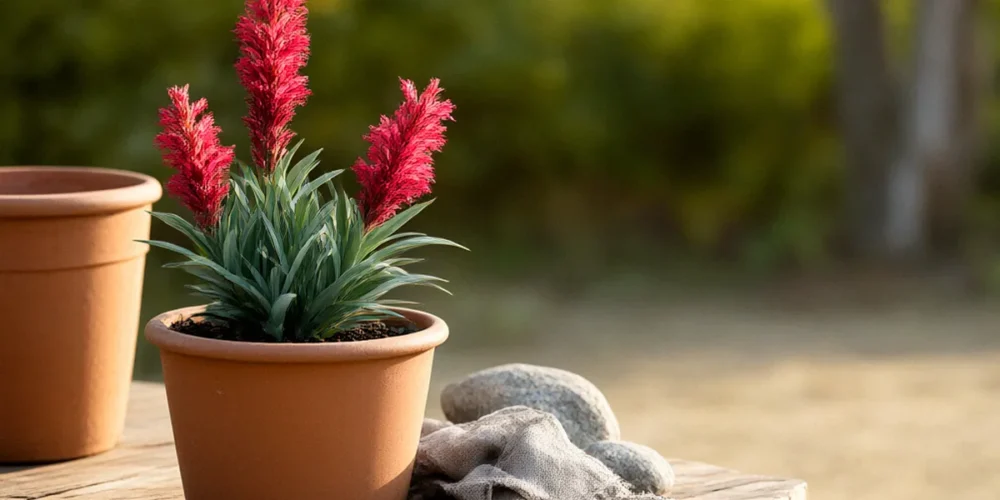
Kangaroo Paw Care Guide: How We Grow These Iconic Australian Natives
There’s nothing quite like the first time you brush past a kangaroo paw in full flower. Those fuzzy, velvety stems curve upward like a kangaroo’s outstretched claw, tipped with vivid reds, greens, yellows and pinks that seem almost too bright to be real. We’ve grown these plants in gardens from Perth to Sydney, and they still stop us in our tracks every single spring. If you’re building a native garden and want a plant that delivers colour, attracts birds and shrugs off dry spells, kangaroo paw deserves a spot at the front of the queue.
Why Kangaroo Paw Belongs in Every Native Garden
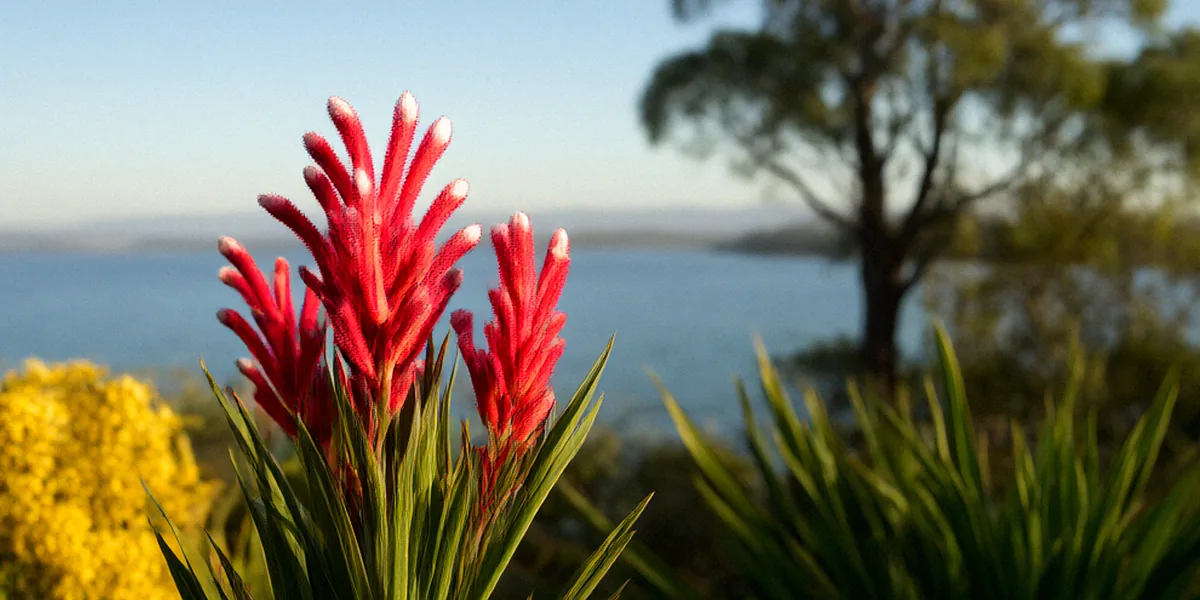
Kangaroo paws (Anigozanthos spp.) are among the most rewarding drought-tolerant plants you can grow. Once established, they handle hot, dry summers with minimal fuss, and they flower prolifically when many other plants have given up. They’re also the floral emblem of Western Australia — a title that says a lot about how deeply this plant is woven into the Australian landscape.
The Unique Look and Colours of Kangaroo Paw
What sets kangaroo paws apart is the texture. The flowers and stems are covered in fine hairs that give them that unmistakable fuzzy appearance, and the colour range is genuinely broad. You’ll find deep crimson, burnt orange, golden yellow, lime green, hot pink and even near-black cultivars. Flowering typically runs from late winter through summer, with some varieties putting on a second flush in autumn if you deadhead them. Beyond the garden bed, the long stems are prized by florists because they hold their shape and colour for weeks in a vase — a fact that has made kangaroo paws a staple of the Australian cut flower industry.
Benefits for Wildlife and Bush Tucker Uses
Birds love them. Honeyeaters, wattlebirds and spinebills are drawn to the nectar-rich flowers, and a clump of kangaroo paws in flower is one of the most reliable ways to bring birdlife into a suburban garden. Kangaroo paws also have a place in bush tucker traditions — the nectar from the flowers was traditionally shaken out or sucked directly as a sweet drink, and some groups soaked the flowers in water to make a naturally sweet beverage. We think that’s a pretty good reason to plant a few extra.
Choosing the Right Kangaroo Paw for Your Climate
Not all kangaroo paws are created equal, and picking the right one for your region makes the difference between a thriving clump and a disappointing season. Anigozanthos flavidus is one of the most widely grown species and the best choice for humid areas like coastal Queensland and northern NSW, because it’s far more tolerant of moisture than its relatives. If you’re in a drier climate — think Adelaide, Perth or inland Victoria — the smaller species and hybrids will reward you well. For inspiration, nothing beats a walk through Kings Park in Perth, which hosts a renowned collection of kangaroo paws and shows just how varied the genus can be.
Tall Varieties for Garden Beds
Tall growers such as Anigozanthos flavidus and the taller Anigozanthos manglessii hybrids can reach 1.5 metres or more, making them ideal for the middle or back of a garden bed. They work beautifully massed along a fence line or mixed with grevilleas, westringias and banksias for a layered native planting. Give them room to arch — they look best when they’re not crowded.
Compact Hybrids for Pots and Small Spaces
If you’re working with a courtyard, balcony or a small garden, the compact hybrids are your friends. Varieties like ‘Bush Pearl’, ‘Bush Ranger’ and ‘Regal Claw’ stay under 60 cm and perform brilliantly in pots. Use a premium native potting mix, choose a container at least 30 cm wide, and position it where it gets full sun. We’ve had great results growing these on sunny decks, where the flowers sit right at eye level.
How We Plant and Care for Kangaroo Paws
Getting the planting right is 80% of the battle with kangaroo paws. They hate sitting in wet, heavy soil, and that’s the single biggest reason we see them fail in home gardens.
Soil, Sun and Spacing Requirements
Kangaroo paws want full sun — at least six hours a day — and soil that drains freely. If your ground is clay-heavy, mound it up or plant into a raised bed with plenty of coarse sand and organic matter worked through. Follow these basics and you’re set:
- Plant in full sun with good air movement around the foliage.
- Improve drainage with coarse sand, gravel or a raised bed if your soil holds water.
- Plant at the same depth the plant was in its pot — never bury the crown.
- Space clumps 40–60 cm apart for small varieties and up to 1 m for tall growers.
- Water in well after planting, then ease off once new growth appears.
Watering and Fertilising Schedule
Once established, kangaroo paws are genuinely drought-tolerant and only need deep watering during extended dry spells. In the first few months after planting, water once or twice a week to help them settle in. For feeding, use a native plant fertiliser that’s low in phosphorus — regular garden fertilisers can burn the roots and even kill the plant. We apply a light dose in early spring and again after the main flush finishes. That’s it. More is not better here.
Pruning, Deadheading and Pest Management
A little maintenance goes a long way with these plants, and most of it happens right after flowering.
Pruning for Shape and Vigour
As each flower stem finishes, cut it back to the base of the plant. This encourages fresh growth and often triggers another round of flowers. Once the whole clump has finished for the season, cut the entire plant back to about 10–15 cm above the ground. It looks drastic, but it’s exactly what kangaroo paws need to regenerate strongly the following year. Never prune into the old, woody base below the foliage — new shoots won’t emerge from dead wood.
Dealing with Snails, Aphids and Ink Disease
Snails and slugs are the number one pest, especially on young shoots. We use eco-friendly controls like beer traps, crushed eggshell barriers and evening hand-picking, and we avoid broad-spectrum baits that harm beneficial insects. Aphids can appear on soft new growth — a strong jet of water or a diluted soap spray usually sorts them out. The bigger concern is ink disease (Alternaria), a fungal problem that shows up as black, ink-like lesions on the leaves and stems. It’s most common in humid conditions and when foliage stays wet. To reduce the risk, water at the base rather than overhead, space plants for airflow, and remove affected leaves promptly. In really humid climates, choosing Anigozanthos flavidus is your best defence.
Propagation and Long-Term Maintenance
Kangaroo paws are short-lived by nature — most clumps peak for three to five years and then decline. Rather than fighting it, we plan for it by propagating regularly so there’s always a new generation coming through.
Dividing Clumps in Autumn
Autumn is the ideal time to lift and divide established clumps. Dig the whole plant, shake off excess soil, and use a sharp spade or knife to separate the rhizomes into sections, each with at least one healthy shoot. Replant immediately at the same depth, water in, and keep them slightly moist through winter. Divisions usually flower within a season or two.
Growing from Seed and Replanting
Growing from seed is slower but very doable. Sow fresh seed into a well-drained native seed mix in autumn or early spring, keep it lightly moist and warm, and expect germination in two to six weeks. Seed-grown plants can vary in colour, which is half the fun. Whichever method you use, plan to replant every few years to keep your garden looking sharp. For deeper guidance, the Australian Native Plants Society is an excellent resource — their local groups run propagation workshops and know exactly what works in your area.
Kangaroo paws prove that native plants can be bold, colourful and genuinely easy when you give them the right conditions. Plant them in full sun, keep the soil free-draining, feed lightly with a low-phosphorus native fertiliser, and prune hard after flowering. Do that, and you’ll be rewarded with fuzzy, claw-shaped blooms that bring birds, colour and a distinctly Australian character to your native garden for years to come. We’d love to see yours in flower — tag us when it happens.
Frequently Asked Questions
How often should I water kangaroo paws?
In the ground, established plants only need deep watering during prolonged dry spells — usually once a fortnight in summer. In pots, water when the top few centimetres of mix feel dry, which may be every few days in hot weather. Always let the soil drain freely and never let the plant sit in a saucer of water.
Why are my kangaroo paw leaves turning black?
Black, ink-like patches usually point to ink disease (Alternaria), a fungal issue that thrives in humid conditions and on wet foliage. Improve airflow around the plant, water at the base instead of overhead, and remove affected leaves. In very humid regions, grow Anigozanthos flavidus, which handles moisture far better than other species.
Can kangaroo paws grow in pots?
Absolutely. Compact hybrids like ‘Bush Pearl’ and ‘Bush Ranger’ are ideal for containers. Use a quality native potting mix, choose a pot at least 30 cm wide with good drainage, and position it in full sun. Repot or divide every couple of years to keep the plant vigorous.
When is the best time to prune kangaroo paws?
Deadhead individual flower stems as they finish, then cut the whole clump back to 10–15 cm above ground level after the main flowering season — usually late summer or autumn. Avoid cutting into the woody base, as new growth won’t shoot from old wood.
How long do kangaroo paws live?
Most kangaroo paws are short-lived, typically thriving for three to five years before declining. To keep them going long-term, divide clumps in autumn or grow fresh plants from seed every few years so you always have vigorous replacements ready.